


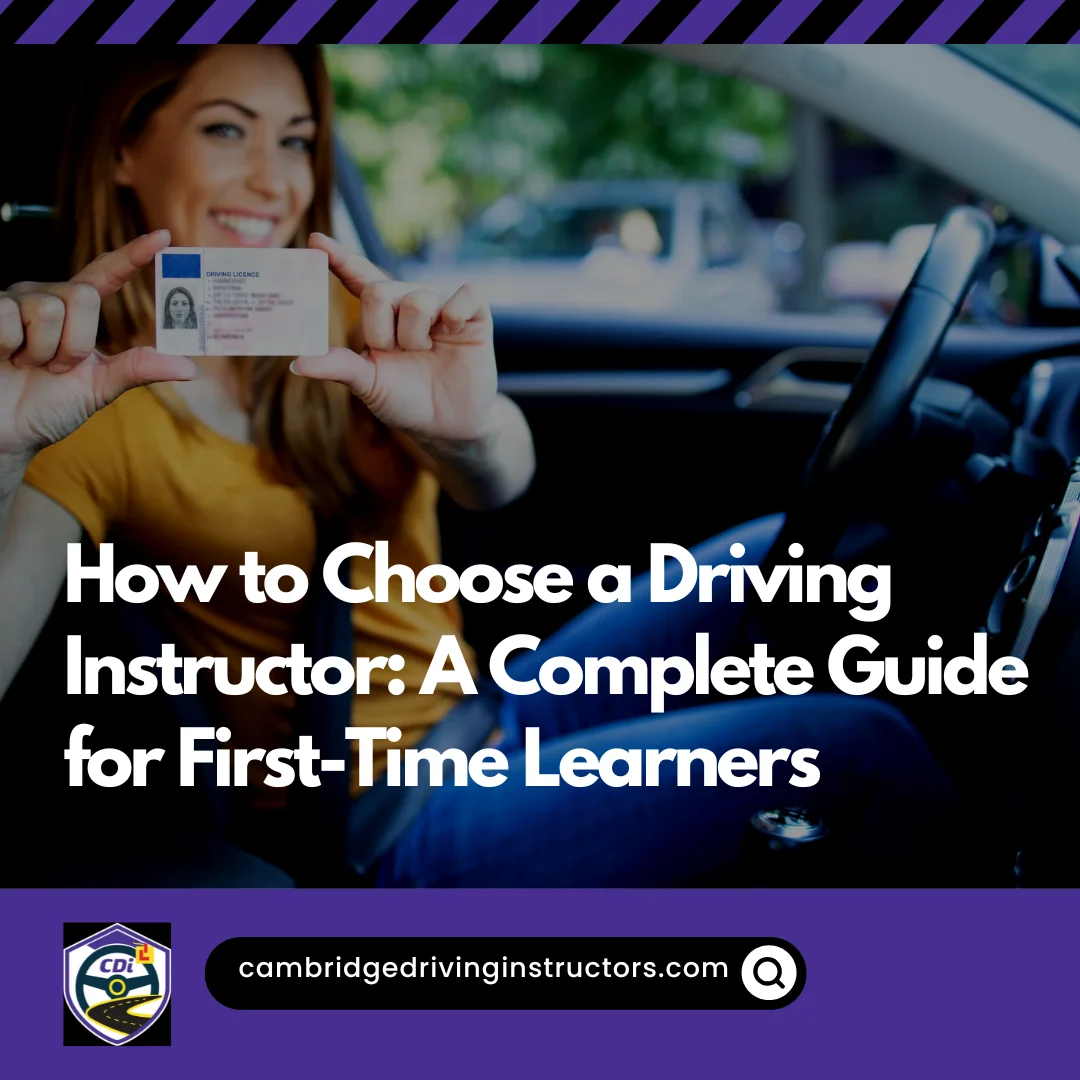
Looking for a driving instructor? As a first-time driver, it is crucial to choose the right instructor.You’re a first-time driver and need a driving instructor? No doubt, it is essential to select the right driving instructor.
Driving is one of the most valuable skills you will learn in your life and the driving instructor will have a huge impact on that. The professional instructor not only prepares you to pass your driving test, but also to become a safe, confident and responsible driver for life.
If you are looking for driving lessons Cambridge then this guide will help you to know what to check before taking your first driving lessons.
Why Choosing the Right Driving Instructor Matters
Your driving instructor is going to have a significant impact on your learning speed, the confidence you have in your driving skills and your preparation for your practical driving test.
A qualified instructor will:
- Educate in safe driving techniques
- Gradually increase confidence by taking small steps at a time.
- Describe the way to drive properly and effectively.
- Practice for actual driving scenarios
- Get more comfortable behind the wheel before the exam day. Become more familiar with driving without any accidents.
Selecting the wrong teacher can result in slower progress, extra stress and extra costs of additional lessons.
1. Check if the Instructor is DVSA Approved
The first thing to check is if the teacher has been approved by the Driver and Vehicle Standards Agency (DVSA).
A DVSA approved instructor is professionally trained and qualified to the national teaching standards.
Approved instructors can be recognized by the badge with the green triangle in their vehicle.
2. Look for Experience
Experience is the key to learning to drive.
An experienced driving instructor knows:
- The most frequent errors made by people who are just starting out.
- Different learning styles
- How to support the nervous learner.Supporting the nervous learner.
- The local driving test routes are:
- The latest driving test requirements are incorporated.
Older students are usually able to be taught by teachers who know how to adjust the level of difficulty to the student’s comfort.
3. Read Reviews and Testimonials
Lots of online reviews can help you gain understanding of an instructor’s teaching style and client satisfaction.
While searching for reviews, you should be searching for the following things:
- Patience
- Professionalism
- Reliability
- Clear communication
- 100% average first-time pass rates for all courses and for all students.
- Friendly attitude
Consistently positive feedback is usually a good indicator of quality instruction.
4. Use either automatic or manual lessons to choose between them
Before taking lessons determine what type of vehicle you would want to learn in.
Automatic Driving Lessons
Many new drivers prefer an automatic vehicle as there is no clutch or gears to control.
They are ideal for:
- Nervous learners
- Busy professionals
- Older learners
- Students who wish to pass rapidly
Manual Driving Lessons
Manual lessons are training for both manual and automated vehicles, which are both available after passing the test.
They might take a bit longer to learn, but will offer more flexibility in the future.
5. Have students ask questions about the structure of a lesson
A good teacher doesn’t just drive around, he/she has a structured plan for learning.
Lessons should progress on to the following:
- Vehicle controls
- Moving off safely
- Junctions
- Roundabouts
- Parking manoeuvres
- Dual carriageways
- Independent driving
- Mock driving tests
If you have a lesson plan, you will be able to keep track of your progress along the way.
6. Keep their Communication Style in mind
Everyone learns differently
A wonderful teacher should:
- Explain concepts clearly
- The candidates’ reactions to pressure are maintained at a healthy level.
- Give constructive feedback
- Encourage questions
- Build your confidence
Stay away from instructors who are loud, impatient or who make you feel uncomfortable.
7. Compare Lesson Prices
Driving lesson prices vary depending on location and instructor experience.
When selecting a building, consider the overall value, rather than the lowest price.
Ask about:
- Hourly lesson rates
- Block booking discounts
- Intensive driving courses
- Weekend availability
- Evening lessons
Keep in mind that good teaching can be cost-effective in the long run, since it can save on the number of lessons required.
8. Check Vehicle Condition
Your teacher’s vehicle should be:
- Clean
- Well maintained
- Comfortable
- Dual controlled
- Easy to drive
Modern vehicle with dual controls means improved safety and confidence in lessons.
9. Inquire about pass rates
No teacher or instructor can promise that his or her students will pass, but many experienced teachers are willing to share their students’ results.
High passing rates may be the result of good teaching and preparation.
10. Availability Matters
Popular driving instructors are likely to have waiting lists.
Before booking, ask:
- When lessons are available
- Weekend options
- Evening lessons
- Pick-up locations
For how long will it take you to get ready for your driving test?
Flexible schedule keeps progress going.
11. Consider Local Knowledge
There are a number of benefits to selecting a local teacher.
A Cambridge Based Driving Instructor knows:
- Local roads
- Busy junctions
- Common test routes
- Traffic hotspots
- Local speed limits
This local knowledge will familiarise you with the roads you are likely to be asked to drive on during your Practical Driving Test.
12. Be sure to be comfortable
Attitude towards the instructor is probably the most important thing.
You should feel:
- Relaxed
- Supported
- Encouraged
- Comfortable asking questions
- Takes risks when learning
Don’t feel intimidated with a few lessons, it is okay to switch teachers.
Before making a booking, ask yourself the following:Before you book, ask yourself these questions:
When selecting a driving instructor, here are some questions to ask:
- Are you DVSA approved?
- Do you teach automatic, manual, or both?
- How much do lessons cost?
- Do you offer block booking discounts?
- How long is each lesson?
- What areas do you cover?
- Do you offer intensive driving courses?
- What is your teaching style?
- Can I choose my lesson times?
Common errors to avoid are listed below.The following are common errors to avoid.
Here are some common Mistakes that students tend to make when choosing an instructor:
- Purchasing because of the price
- Ignoring online reviews
- Not checking qualifications
- Please note: All bookings are required without a trial lesson.
- Using a variety of different instructors, but keeping them the same time of year
- Failing to take lessons regularly
You’re not likely to make these errors if you’re able to avoid them, which means you’re more likely to learn effectively.
Why Local Driving Lessons in Cambridge Are a Smart Choice
Driving with a local instructor provides you with experience on the roads you will be driving on during your driving test.
By working in Cambridge, you’ll get used to the following:
- Busy roundabouts
- Residential streets
- City traffic
- Parking situations
- Test centre routes
This experience can significantly improve your confidence on test day.
Final Thoughts
Choosing the right driving instructor is one of the most important decisions you’ll make as a learner driver. A qualified, patient, and experienced instructor can help you develop safe driving habits, build confidence, and prepare thoroughly for your practical driving test.
Take your time, compare your options, read reviews, and don’t hesitate to ask questions before booking. Investing in quality driving instruction today can help you become a safer driver for years to come.
Frequently Asked Questions (FAQs)
How do I know if a driving instructor is qualified?
Look for a DVSA-approved driving instructor who displays an official green badge and has positive reviews from previous learners.
Is automatic easier than manual?
Yes. Automatic cars are generally easier to learn because you don’t need to operate a clutch or change gears manually.
How many driving lessons do most learners need?
The average learner typically needs around 45 hours of professional instruction, although the exact number depends on individual progress and previous experience.
Can I change my driving instructor?
Absolutely. If you feel your current instructor isn’t the right fit, you can switch to another instructor at any time.
Should I choose the cheapest driving instructor?
Not necessarily. A more experienced instructor may help you pass sooner, reducing the total number of lessons and saving money overall.